
The painting on the left is a work by Ana Tzarev. While most people typically associate the terms “digital” and “analog” with technology, these concepts can also be applied to art. Paintings are generally considered analog because they can incorporate an infinite spectrum of colors. Tzarev’s painting, however, uses a distinctive blocky, three-dimensional style achieved through her application of oil paints on linen. With vibrant, contrasting colors and no visible color blending, it appears that the paint is applied directly onto the canvas. This raises an interesting question: does this painting remain analog? In this case, the lack of color mixing suggests it leans toward a digital classification. Using common terminology, the original painting can be viewed as the signal, while any changes over time, such as fading or damage, would represent noise.
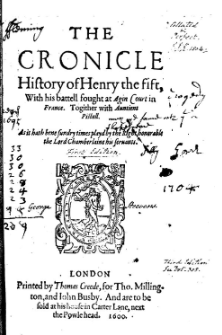
To the right is an image of one of Shakespeare’s manuscripts. Upon examining it, we see that extraneous scribbles or edits can be removed, leaving the original text intact. Additionally, the words themselves are immutable, preserving the original content. This characteristic aligns with the definition of digital, where information remains unchanged and can tolerate a certain level of noise. Excessive noise, such as complete destruction of the manuscript, would be akin to the digital equivalent of losing the signal entirely. The essence of being digital lies in preserving the original signal while filtering out noise.
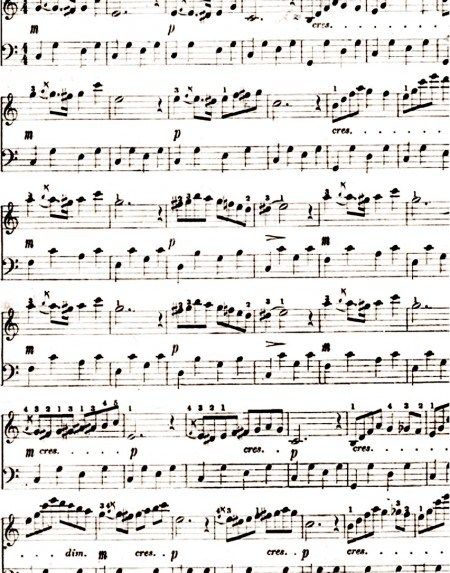
Lastly, the sheet music pictured on the left provides another example. Sheet music is inherently digital because it relies on a defined set of notes, with only a limited number of combinations possible. However, when the music is performed, the act becomes analog. Each performance introduces variability, as the sound can be influenced by the performer’s interpretation, tempo, and dynamics. This duality highlights how mediums can shift between analog and digital depending on their context.

This post was checked for proper grammar and spell checked by Chat gpt 4o (paid version).