
In a world where digital communication is woven seamlessly into daily life, it’s easy to overlook the humble beginnings of this interconnected era. Long before emails, smartphones, and cloud servers, the telegraph revolutionized the way humans shared information, laying the groundwork for the digital age we live in today. It’s not just a relic of the past; the telegraph was a pivotal innovation that shaped the modern world.
Breaking Barriers: The Birth of Instant Communication
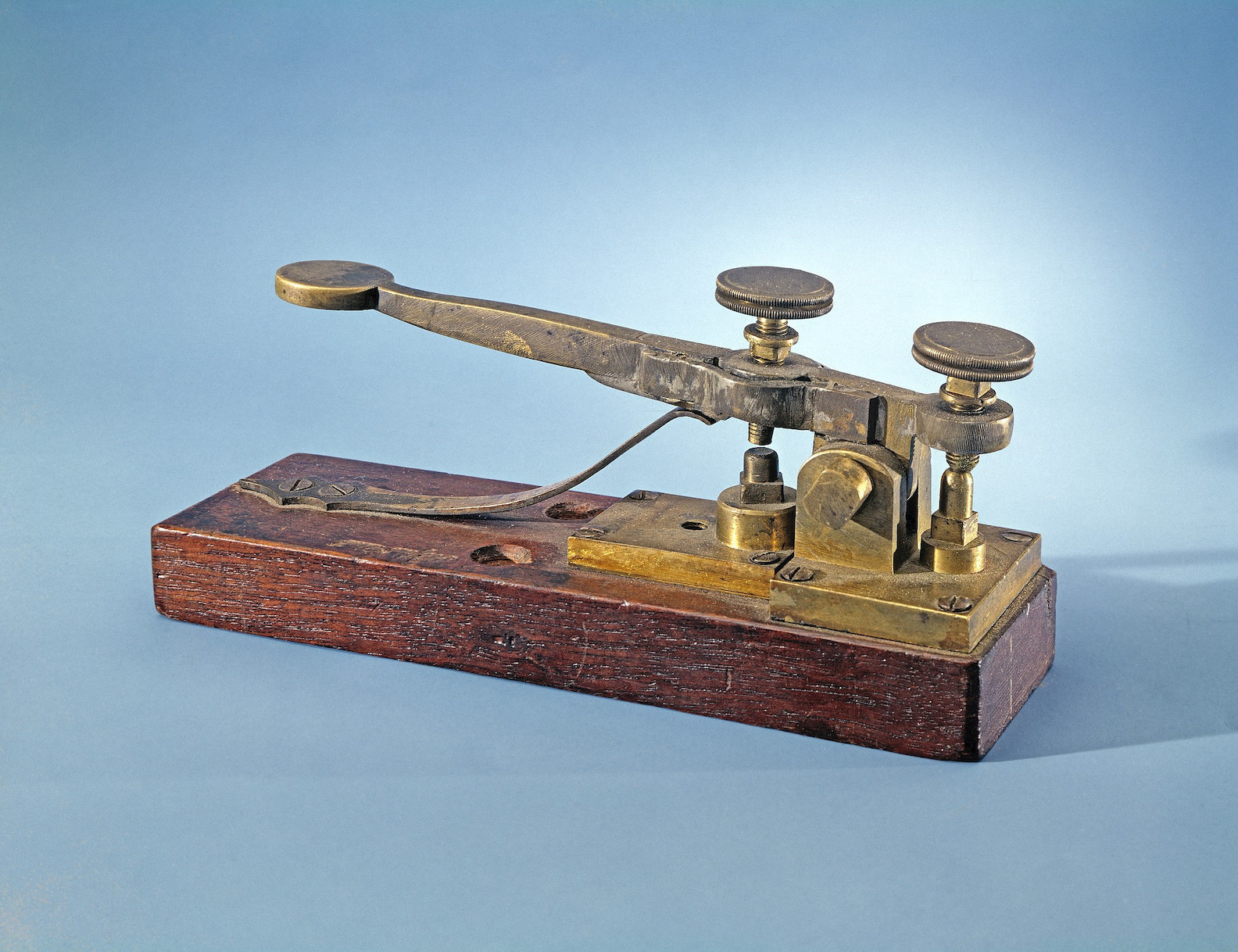
Before the invention of the telegraph in the 1830s, communication over long distances was painfully slow, relying on messengers, ships, or even carrier pigeons. Samuel Morse’s telegraph, paired with his ingenious Morse code, changed everything. For the first time in history, messages could be transmitted almost instantaneously, transcending geographical barriers.
The telegraph didn’t just make communication faster; it redefined industries. Railroads relied on it to coordinate schedules and prevent accidents. Newspapers used it to deliver breaking news from distant cities, shrinking the world in a way that had never been possible before. The phrase “global village,” often used to describe the modern internet-connected world, had its conceptual roots in the era of the telegraph.
The Foundation of the Digital Era
What makes the telegraph particularly remarkable is how it foreshadowed key elements of today’s digital communication systems. At its core, the telegraph was a binary system—dots and dashes representing information. This simple encoding of data was an early precursor to the 1s and 0s of modern computing. The telegraph laid the conceptual framework for encoding and transmitting data, principles that underpin technologies like fiber optics and wireless communication today.
Moreover, the infrastructure established for telegraphy—such as undersea cables and relay stations—paved the way for global networks. These early networks evolved into the telephone systems, radio, and eventually the internet.
Revolutionizing Society
The telegraph didn’t just transform technology; it altered society itself. It played a key role in shaping the modern economy, enabling global trade by facilitating real-time communication across continents. Politically, it allowed governments to respond to crises with unprecedented speed. Socially, it connected families and friends separated by oceans or wars, creating new opportunities for human connection.
The advent of the telegraph also brought challenges that feel strikingly familiar in today’s digital landscape. Questions about privacy, surveillance, and the potential misuse of technology arose even in its earliest days. These issues underscore how technological revolutions are often double-edged swords.
The Telegraph’s Legacy
While the telegraph itself has largely disappeared, its legacy lives on in every text message, email, and video call. It’s a reminder that innovation doesn’t just build new tools; it redefines the way we live, work, and connect with one another. The telegraph may seem quaint by modern standards, but its impact remains profound. It was the spark that lit the fuse of the digital revolution, changing the trajectory of human history forever.
In honoring the telegraph, we honor the spirit of innovation—a spirit that continues to push the boundaries of what’s possible, just as it did nearly two centuries ago.
The blog post above was created using information learned in class and was later edited for grammar and spelling using ChatGPT 4o.